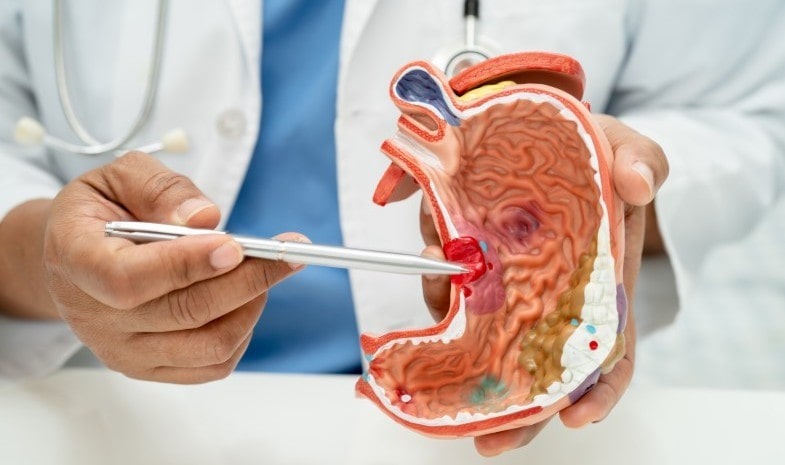
Stomach cancer: risk factors and prevention
Each year, its incidence continues to rise. SEOM estimates that more than 7,000 new cases will be diagnosed in Spain in 2025. Although it remains more common in countries such as Japan, Korea, or China—largely due to genetic and environmental factors—we should not let our guard down.
Here are the main risk factors and, most importantly, how we can prevent it:
Diet and environmental factors: Diets high in smoked, salted, processed, saturated-fat, or marinated foods and low in fresh fruits and vegetables may increase the risk. Our best ally: the Mediterranean diet.
Tobacco and alcohol: These are toxic habits, and eliminating them not only helps prevent cancer but also improves overall quality of life.
Healthy lifestyle: Regular physical activity and avoiding harmful habits are key to prevention.
Genetics and family history: Certain hereditary syndromes or a history of gastric cancer in first-degree relatives require special medical attention.
Predisposing conditions:
Previous gastric surgery
Chronic atrophic gastritis
Pernicious anemia
Gastric polyps
And especially: Helicobacter pylori infection, which can be effectively treated with antibiotics.
Possible warning symptoms include:
Persistent indigestion
Upper abdominal pain
Unintentional weight or appetite loss
Black or bloody stools
Vomiting blood
If any of these appear, it is important to consult a healthcare professional. Early detection can make a significant difference.
Prevention begins with knowledge.
Dr. Gema Navarro